
Yuma DUI Records
Yuma DUI records come from two main sources in this southwest Arizona city. The Yuma Municipal Court handles misdemeanor DUI cases that start with city police stops. Yuma Police keep arrest reports and test results from every DUI investigation they conduct. Located near the California and Mexico borders, Yuma sees steady traffic through the area. DUI cases here follow Arizona state law but get processed through local city systems first. Felony DUI charges transfer to Yuma County Superior Court for prosecution. You can search for Yuma DUI records by contacting city offices directly or submitting formal record requests.
Yuma DUI Records Quick Facts
Yuma Municipal Court DUI Cases
The Yuma Municipal Court is the main court for city DUI charges. It sits at 180 West First Street in downtown Yuma. The court hears all misdemeanor DUI cases from arrests made by Yuma Police. This includes standard DUI, extreme DUI, and super extreme DUI charges when they stay at the misdemeanor level. Court staff can help you find case information and explain how to get records.
You can call the court at (928) 373-4800 to ask about a specific case. Staff will tell you if a case exists and give basic status updates. The court is open during normal business hours on weekdays. They cannot give legal advice, but they can point you to the right forms and explain the request process for getting DUI records.
Getting copies of Yuma court records costs money. Standard copies run fifty cents per page. Certified copies cost more. If you need court staff to search for older records, they may charge a research fee. The exact cost depends on how many pages your file contains. Large DUI case files with multiple hearings and motions can add up quickly.
Yuma Court Record Services
The Yuma Municipal Court website has basic information about court services. You can find court hours, location details, and contact numbers there. The site explains what types of cases the court handles. DUI cases make up a large portion of the criminal docket.
For specific record requests and forms, check the court services page. This section covers how to request copies of court documents. You may need to fill out a formal request form. Some requests can be made in person at the counter. Others require written submissions.
The Arizona Courts maintain a statewide database that includes case information from across the state. The Arizona Courts Public Access portal provides search options for court records statewide.
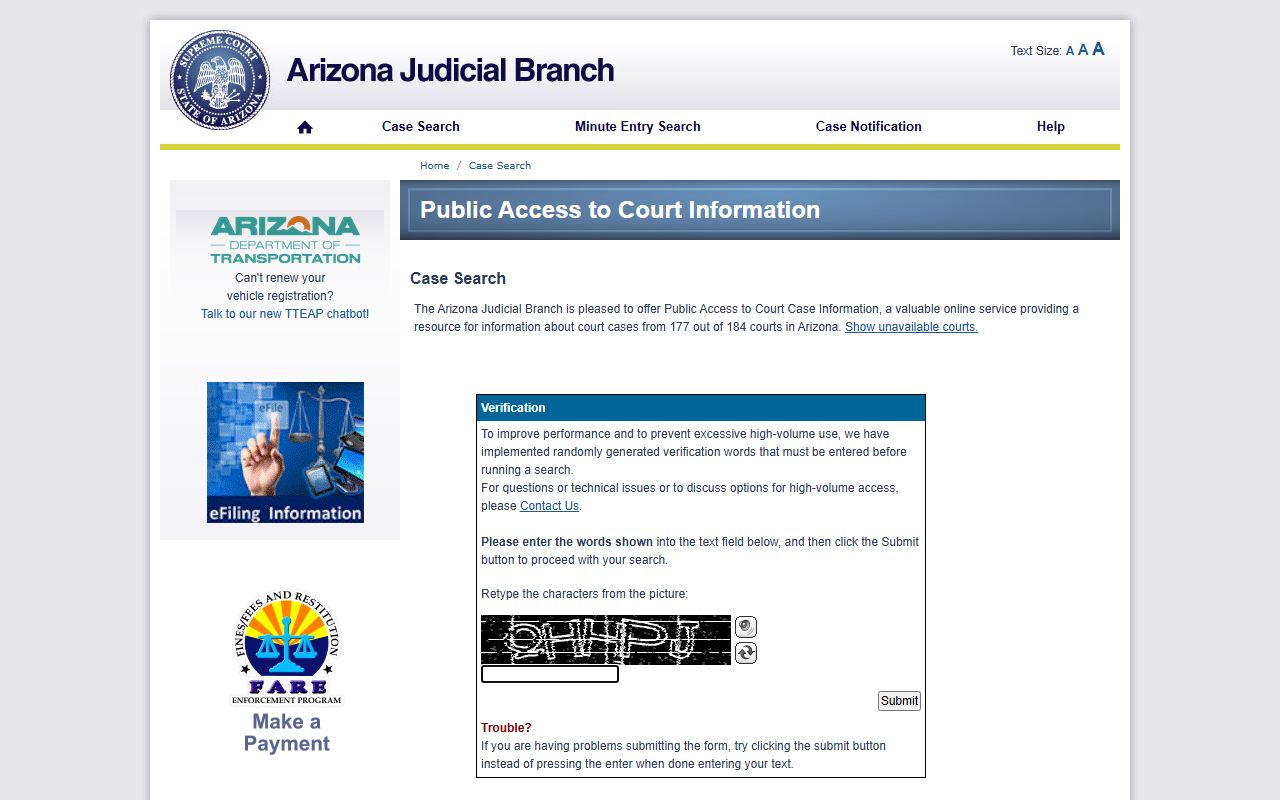
This online tool lets you search by name or case number. Results show case status and basic charge information. Not all municipal court cases appear in the state system right away. Some smaller courts have delays in uploading data.
Yuma Police DUI Arrest Records
Yuma Police keep separate records from the court system. Their files have the raw data from DUI stops. This includes arrest reports with the officer narrative of what happened. You also find field sobriety test results, breath test data, and blood draw documentation in police files. Court records summarize this information. Police files contain the full details.
The Yuma Police Records Unit handles all requests for arrest documentation. They process requests for DUI reports and other police records. You can reach the records unit at (928) 373-4700. Staff can tell you what records exist for a specific arrest and explain the cost to get copies.
Police report fees vary by file size. Most standard DUI reports cost between five and fifteen dollars. If the case involved an accident or multiple charges, the file will be larger and cost more. The records unit calculates fees based on page counts. You pay before they release the documents to you.
Note: Yuma Police may use third-party systems like LexisNexis for processing some record requests.
Yuma DUI Record Retention Rules
Yuma follows a specific retention policy for DUI records. Records for DUI offenses are kept for eight years after final adjudication and completion of sentence. This is longer than the standard five-year retention for most misdemeanors. The extended period reflects the serious nature of DUI charges under Arizona law.
After eight years, the records may no longer be available through normal request channels. The court and police may destroy files that exceed retention limits. If you need records from an old DUI case, act quickly. Staff can tell you if records still exist before you pay any fees.
The retention clock starts when the case fully closes. This means after all fines get paid, all jail time served, and all probation completed. A case from 2020 might still have available records in 2028 if the sentence just recently ended. The date of arrest alone does not control when records become unavailable.
DUI Laws Affecting Yuma Cases
Arizona has tough DUI laws. Standard DUI under A.R.S. Section 28-1381 applies when blood alcohol hits 0.08 or higher. Officers can also charge DUI based on impairment to the slightest degree. This means you can face charges even below the legal limit if the officer believes drugs or alcohol affected your driving.
Extreme DUI charges come into play at 0.15 blood alcohol. Super extreme DUI starts at 0.20. Both types stay misdemeanors but carry heavier jail time and fines than standard DUI. These cases still go through Yuma Municipal Court for city arrests. The charge classification appears on all public records related to the case.
Aggravated DUI is a felony. Under A.R.S. Section 28-1383, DUI becomes a felony when someone has three offenses within eighty-four months. It also applies when driving on a suspended license, having a child under fifteen in the car, or driving the wrong way on a highway. Felony cases leave Yuma Municipal Court. They transfer to Yuma County Superior Court for prosecution. Records for those cases appear in the county system.
Sealing Yuma DUI Records
Arizona does not allow expungement of criminal records. Once you have a DUI conviction in Yuma, the record exists permanently. However, a newer option lets you petition to seal certain records. This became available in late 2022.
Under A.R.S. Section 13-911, eligible people can ask the court to seal their criminal records. Sealed records still exist but are hidden from most public searches. The process requires filing a petition with the court that handled your case. Not all DUI convictions qualify for sealing. Certain serious offenses remain permanently public.
The Arizona Courts provide information about the sealing process through their self-service center. You can find forms and instructions there. The process takes time. A judge must review each petition and decide if sealing is appropriate based on the specific facts of your case.
Yuma City and Yuma County Records
Yuma city sits within Yuma County. This creates some overlap in DUI records. City police make arrests. The county jail processes bookings. Municipal court handles misdemeanors. Superior court takes felonies. Knowing which agency has the records you need saves time and effort.
For most first or second DUI offenses from Yuma Police, start with city resources. The municipal court and police department handle these cases from start to finish. The county mainly gets involved for jail booking after arrest. Booking records appear in the county sheriff system even when city police made the arrest.
The Yuma County Sheriff operates an inmate search portal where you can look up current and recent jail bookings. This shows who is in custody now and recent releases. DUI arrests often result in at least a short jail stay while waiting for arraignment or posting bond.
Felony DUI cases require searching county records. Once charges rise to aggravated DUI, the case moves to county jurisdiction. Yuma city records show the initial arrest. But the case outcome appears in Yuma County Superior Court records. The Yuma County Clerk of Superior Court handles records for felony cases.
Yuma DUI and Driving Records
DUI convictions also appear on driving records maintained by the Arizona Motor Vehicle Division. These records are separate from court files. The MVD tracks license suspensions, revocations, and points on your driving record. A Yuma DUI will show up on your MVD record regardless of which court handled the case.
The Arizona MVD online portal lets you check your own driving record.
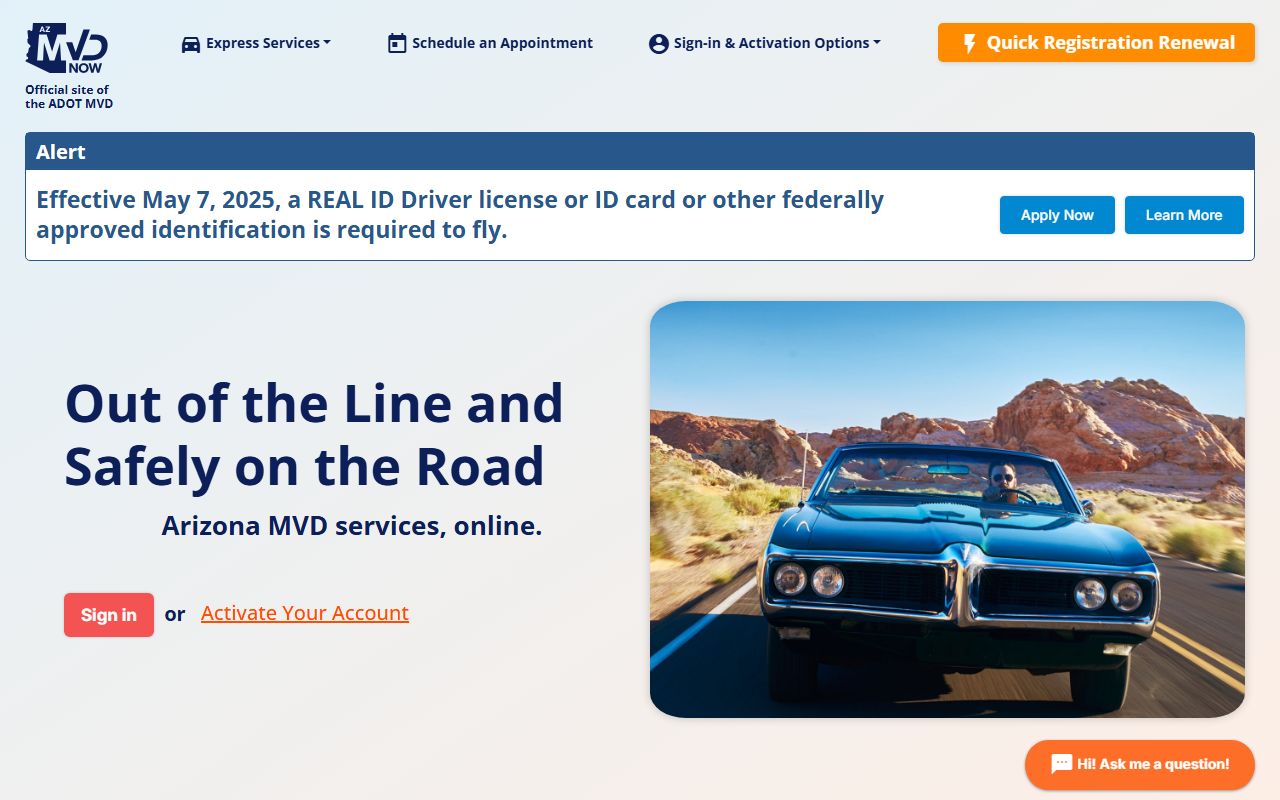
You can see points, suspensions, and violations including DUI entries. Getting someone else's driving record requires a formal request through MVD with proper authorization. Fees apply for certified copies of driving records.
Admin Per Se suspensions happen automatically for failing or refusing breath tests. Under Arizona law, refusing a chemical test triggers a one-year license suspension for first offense. Two years for a second refusal within eighty-four months. These administrative actions occur through MVD, separate from any criminal charges in Yuma Municipal Court.
Yuma DUI Record Access Rights
Arizona public records law grants broad access to government documents. Under A.R.S. Section 39-121, you have the right to inspect and copy public records. DUI records from Yuma courts and police fall under this law. You do not need to give a reason for your request. The city cannot deny access based on why you want the information.
Some information gets removed before release. Social security numbers, certain victim details, and juvenile information are typically redacted. Medical records from blood draws may have limits on availability. Staff review each request and remove protected data before giving you documents.
You can request your own records or records about other people. Background checks often involve DUI searches. Employers, landlords, and insurance companies regularly look up DUI history through public record systems. The records stay available unless sealed through the court petition process under Arizona law.
Yuma DUI Record Fees
Yuma Municipal Court charges standard fees for copies:
- Regular copies: $0.50 per page
- Certified copies: $17 per document
- Research fee: $17 if staff must search
- Audio recordings: Fees vary by length
Police record fees work differently. Yuma Police set their own rates for arrest reports. Most reports fall in the five to fifteen dollar range. Larger files cost more. The records unit gives you an exact quote when they find your file. You pay before they release anything.
Payment options include cash, check, and money order for in-person requests. Credit cards may be accepted depending on the office. Ask about payment methods when you submit your request. Fees must clear before records get released to you.